
Lawn ScanYard Care & Mowing Guide
Scan your lawn: identify grass and weeds, diagnose issues, build a care plan.




Grass Identifier
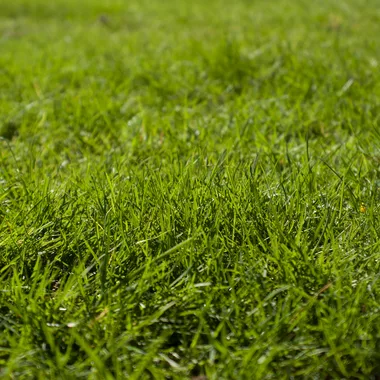
Identify a grass species from a photo and review its season, visual health, coverage, ideal mowing height, and care recommendations.
Identify my grassWeed Identifier
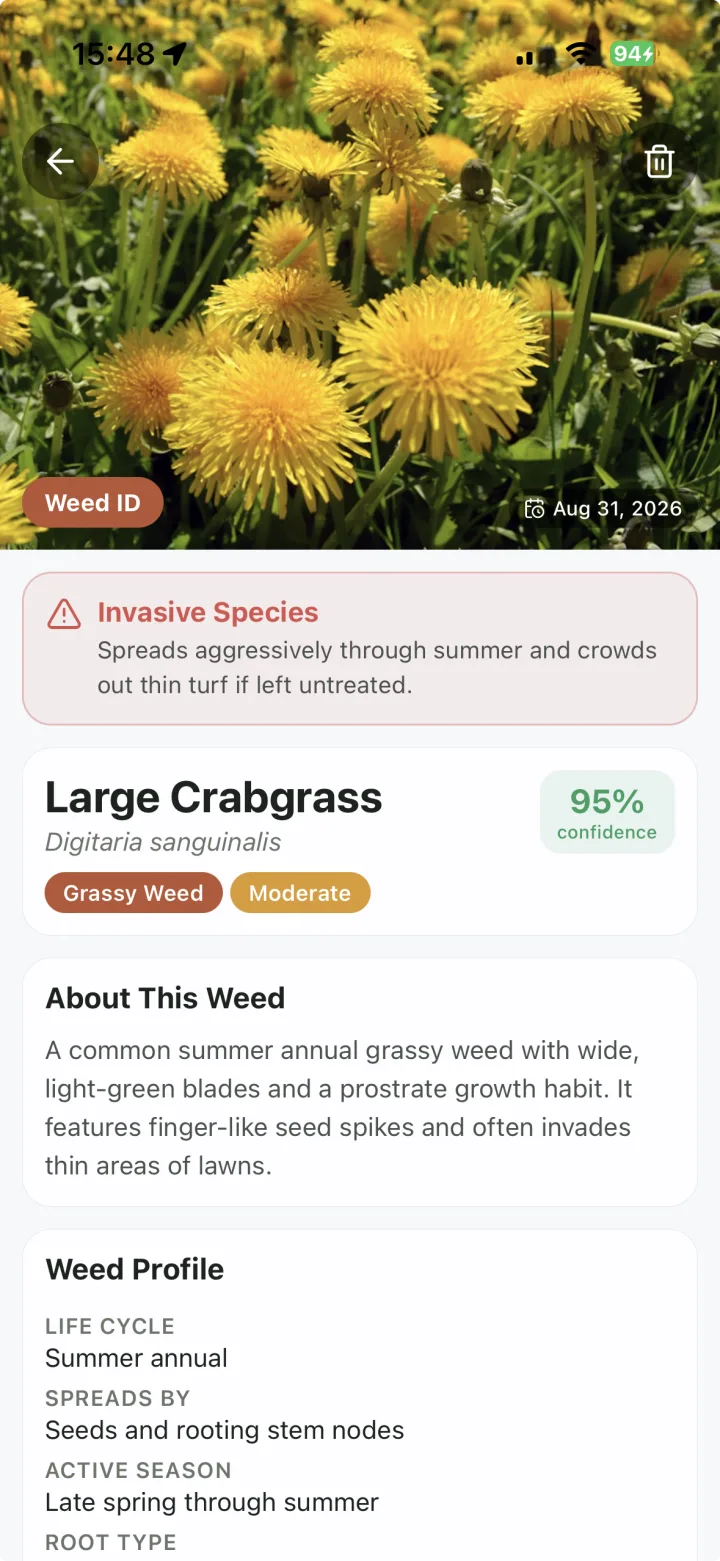
Identify common lawn weeds, learn whether they are broadleaf, grassy, or sedge, and get pre-emergent, post-emergent, manual-control, and prevention guidance.

Lawn Health Check
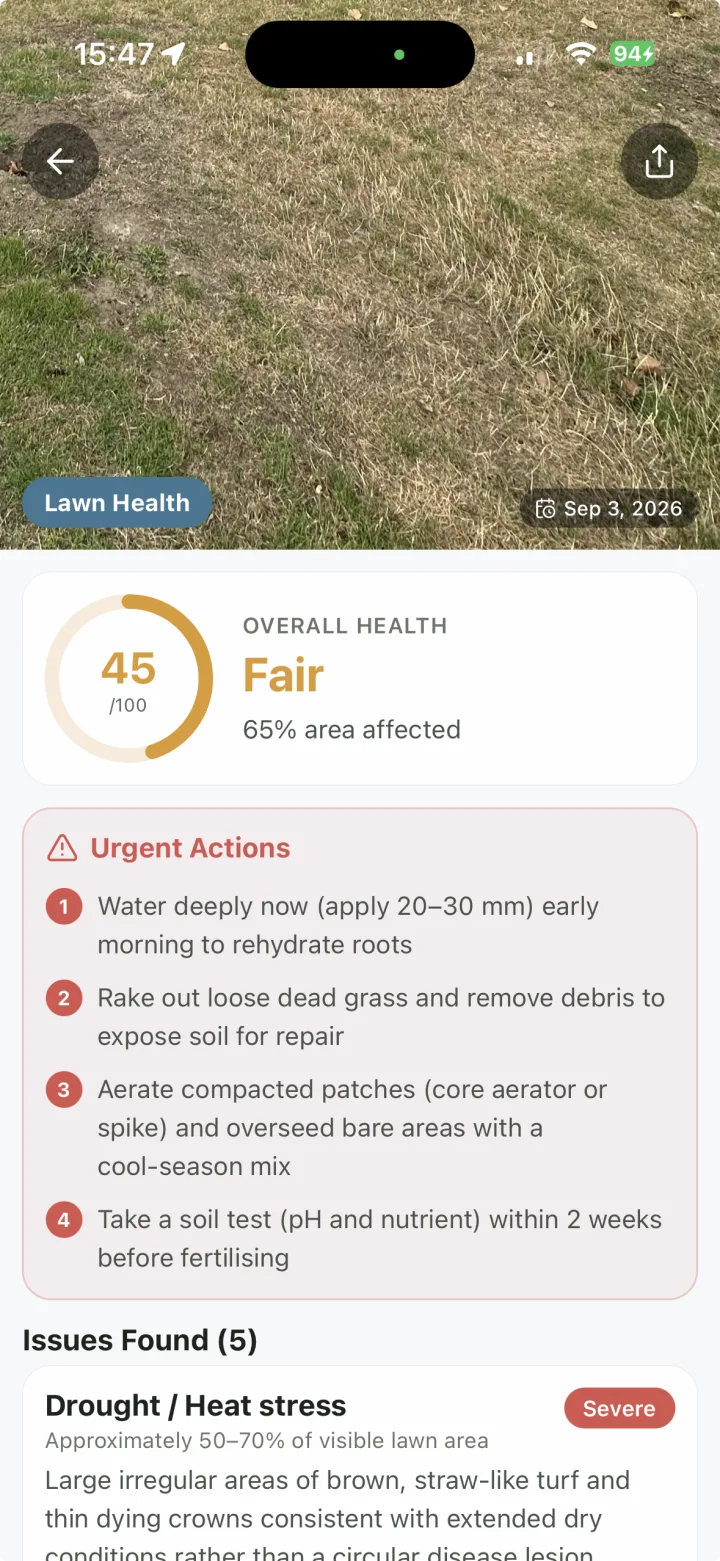
Assess visible signs of disease, pest damage, nutrient stress, drought, compaction, thatch, moss, and similar lawn issues. Results can include severity, treatment, urgent actions, and prevention tips.
Check my lawnSoil Test Reader
Photograph a consumer soil test kit, strip, or report. Lawn Scan reads visible values such as pH, nitrogen, phosphorus, and potassium, then suggests amendments, rates, and timing. It does not measure soil directly.

How it works
Photograph the lawn
Take a photo of the grass, a weed, a problem patch or a consumer soil test kit — or choose one you already have.
Scan it
Purpose-built AI scanners identify grass and weeds, read the soil test, and assess visible signs of disease, pests, drought and stress.
Get the next step
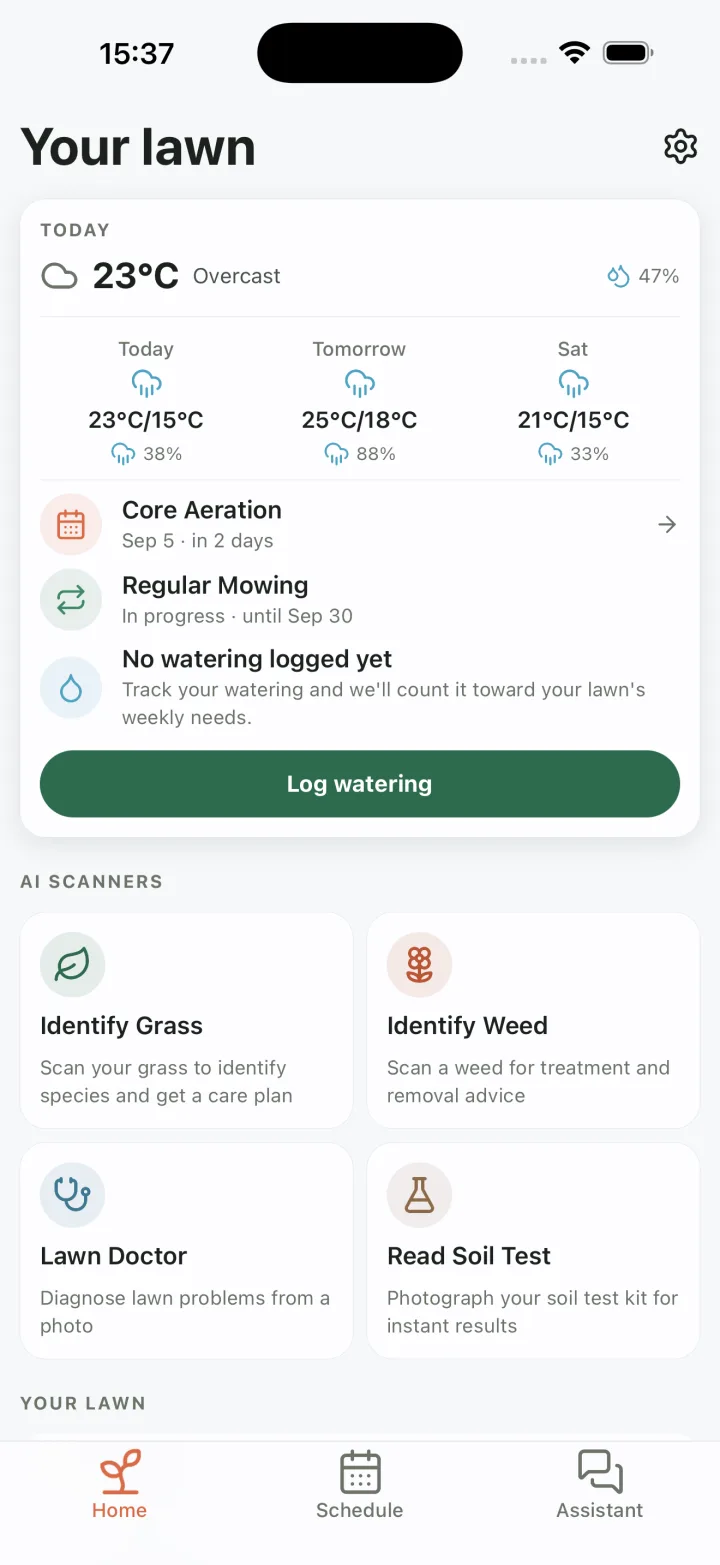
Results become a month-by-month plan built around your grass type, location, climate and soil, with every scan kept in your history.
Questions
How often should I water my lawn?
Most lawns want about 1 inch (25 mm) of water a week, rainfall included, delivered in one or two deep soakings rather than a little every day. Deep, infrequent watering drives roots down; daily sprinkling keeps them shallow and thirsty. Lawn Scan's watering log tracks what you have already given and what the weather added, so you can see where the week actually stands.
What kind of grass do I have?
Look at one blade and at how the plant grows: the width of the leaf, the shape of its tip, whether it is folded or rolled in the bud, and whether it creeps sideways or grows in clumps. Those few traits separate most common lawn grasses. Point Lawn Scan's grass scan at a patch and it names the likely species and lists the traits it used, so you can check its answer against what is in front of you.
Why is my grass turning yellow?
Yellowing usually traces to one of four things: too little nitrogen, too much or too little water, a fungal disease, or dog urine. From standing height they look alike, and each one needs a different fix, which is why guessing tends to cost a season. Lawn Scan's lawn doctor scan reads the pattern and colour in a close-up photo and reports the most likely cause along with its reasoning.
Is Lawn Scan free?
Yes. Lawn Scan is free to download and free scans are included, so you can try the AI on your own lawn before deciding anything. A premium plan lifts the daily limit on scans and assistant questions.
Guides
- How many grubs in a lawn are too many
- How much water does a new lawn need
- How often should you water a lawn
- How often to mow a lawn in summer
- How often to water new grass seed
- How short should you cut your grass
- How to aerate a lawn
- How to care for a Bahia grass lawn
- How to care for a Bermuda grass lawn
- How to care for a centipede grass lawn
- How to care for a Kentucky bluegrass lawn
- How to care for a St. Augustine grass lawn
- How to care for a tall fescue lawn
- How to care for a zoysia grass lawn
- How to choose grass seed for shade
- How to control crabgrass in a lawn
- How to fix bare patches in grass
- How to get rid of clover in a lawn
- How to get rid of moss in a lawn
- How to identify chinch bug damage in turf
- How to identify lawn weeds by leaf shape
- How to improve clay soil for grass
- Is my grass dead or dormant?
- Should you leave grass clippings on the lawn
- When Should You Fertilize a Lawn
- Why is my grass turning yellow
Reference tables

Get smarter lawn care
Photograph or choose a photo and use AI scanners to identify grass and weeds, assess visible lawn problems, read consumer soil tests, and get practical next steps.